
Are Free AI Face Swap App Trials Worth It? How to Tell If a Subscription Is Actually Worth It
The free trial always runs out right when you're having the most fun.
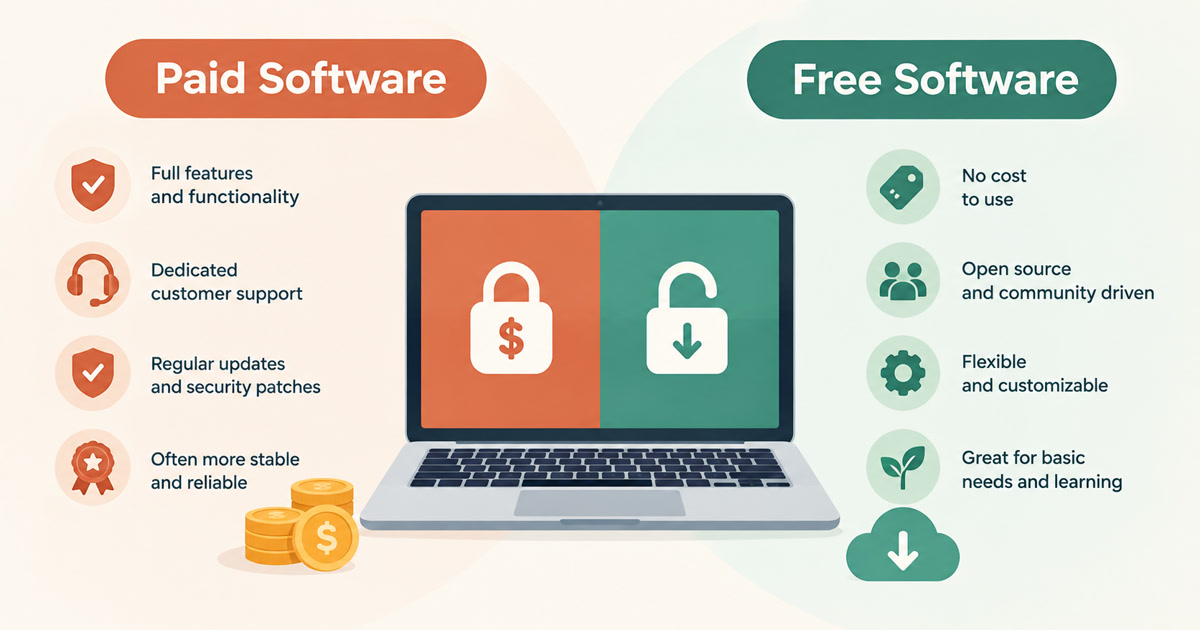
Every free trial in this category ends the same way: a prompt, right at the moment you're most tempted to say yes.
Key takeaways
- Almost every AI photo app runs on the same basic funnel: free credits (often called gems) on signup, a cost per generation, and a subscription or purchase prompt once you run out.
- A lot of apps in this category default to weekly subscriptions, which look cheap as a single number but can add up to a meaningfully higher annual cost than a monthly plan would — always worth multiplying by 52 before deciding.
- Whether a subscription is worth it depends almost entirely on how often you'll actually use the app — occasional use usually favors a one-time purchase, regular use usually favors a subscription.
- Before subscribing to anything, it's worth checking exactly how cancellation works, since a genuinely bad pattern in this app category is making cancellation harder to find than signup.
- A free trial is genuinely useful for judging quality before paying anything — the mistake is letting the trial's expiration, rather than your own usage pattern, be what decides whether you subscribe.
Every AI photo app I've tried runs some version of the same playbook: you sign up, get a batch of free credits, have a great time for a few generations, and then hit a wall right when you're most invested — usually a paywall, sometimes disguised as "you're out of gems" rather than "please subscribe." None of that makes these apps scammy by default. It does mean it's worth understanding the actual mechanics before you tap subscribe on autopilot.
How the free-trial-to-subscription funnel actually works
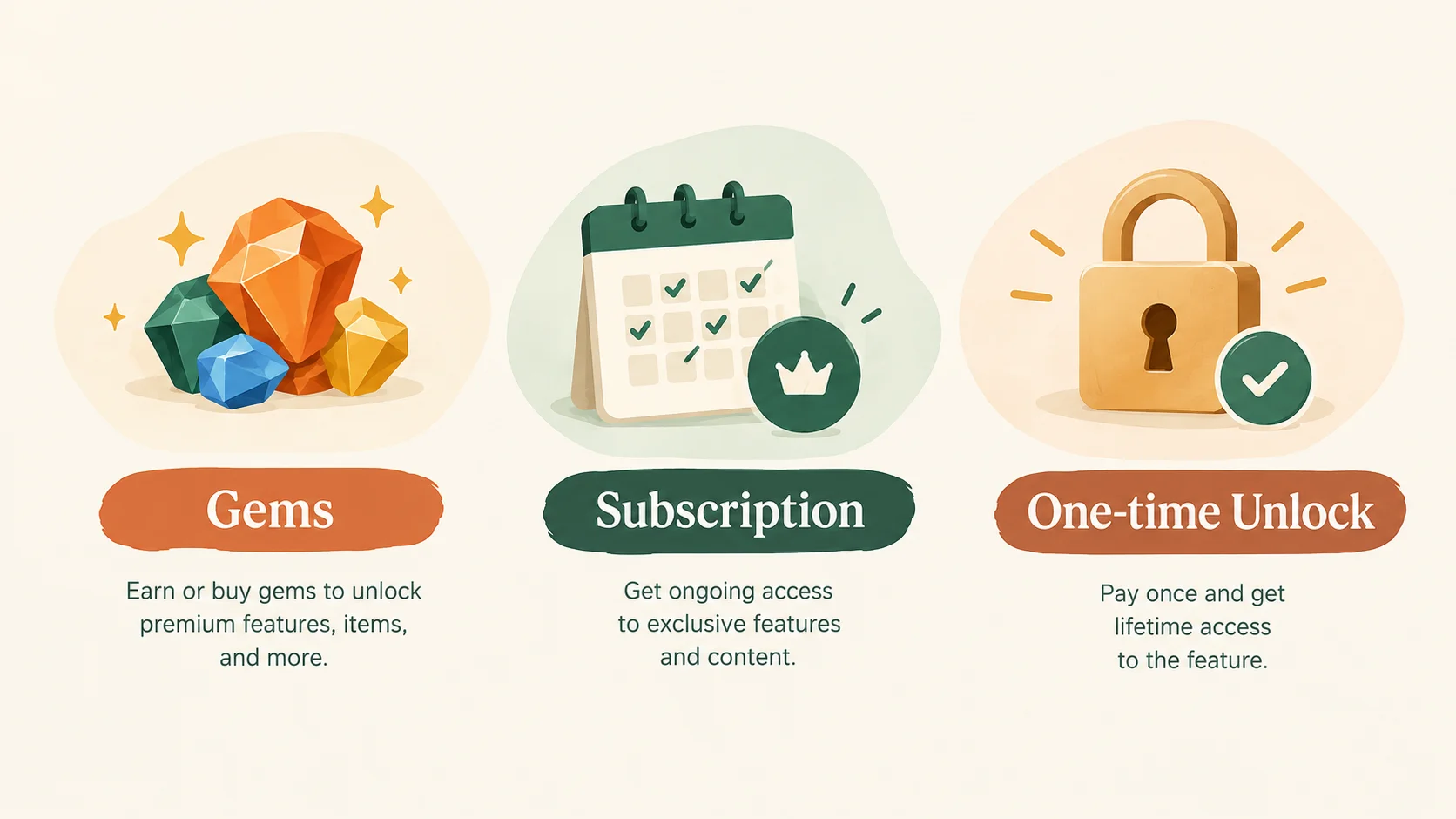
The pattern is consistent enough across this whole category that it's worth naming plainly: you get a starting allowance of free credits (gems, coins, tokens — the name changes, the mechanic doesn't) when you first sign up. Each generation costs some number of those credits. Once you run out, you're offered a few paths forward, usually some mix of: buying more credits directly, subscribing for a recurring allowance, or a one-time unlock that removes the limit entirely for that specific feature or tier. None of that is inherently unfair — it's a completely reasonable way to let people try something before paying. The part worth paying attention to is what happens after the free credits run out, not the free credits themselves.
The weekly-subscription math trick
This is the single most important habit to build: a lot of apps in this category default to showing a weekly price rather than a monthly or annual one, because a small weekly number looks a lot more approachable than the same cost stated any other way. A subscription that looks like "just a few dollars a week" can annualize to a noticeably larger number than an equivalent monthly plan would, purely because of how the number is framed.
| What you see | What it actually works out to |
|---|---|
| "$6.99/week" | ≈ $363/year |
| "$19.99/month" | ≈ $240/year |
| "$79.99/year" | $79.99/year |
Same category of feature, wildly different actual annual cost, and the weekly framing is the one most likely to make the number feel small enough not to check. Before subscribing to anything in this space, multiply the weekly price by 52 — it takes ten seconds and it's the single most useful thing in this entire article.
A weekly price isn't cheaper. It's just measured in a smaller unit.
Gems, subscription, or one-time unlock — which actually fits you
Once you've done the weekly-price math, the next question is which payment structure actually matches how you'll use the app:
- Buying a batch of credits makes the most sense if you have one specific thing you want to make — a birthday video, a one-off photo edit for an event — and don't expect to be a regular user afterward.
- A recurring subscription makes the most sense if you'll genuinely be generating things regularly — weekly or more — since the effective cost per generation drops the more you use it.
- A one-time full unlock (where an app offers it) is worth taking seriously if you want ongoing access without a recurring charge you'll need to remember to cancel — Movcl offers this alongside its subscription options specifically for people who'd rather pay once than manage a recurring bill.
The mistake I've made myself is defaulting to whichever option is presented first or biggest on the paywall screen, rather than actually thinking about which of these three matches how often I'd realistically open the app again.
What to check before you subscribe to anything
A short list, but worth actually doing:
- What's the real annual cost? Multiply weekly by 52, monthly by 12, and compare against the annual price if one's offered.
- How does cancellation actually work? Is it a couple of taps in the app, or does it require finding a setting buried in your phone's own subscription management screen? The second isn't necessarily malicious, but it's worth knowing before you commit, not after you're trying to cancel.
- Does canceling stop billing immediately, or at the end of the current period? Most legitimate subscriptions let you keep access through the period you already paid for and simply don't renew — that's normal and fine, just worth knowing what to expect.
- Is there a genuinely free way to test quality first? Use whatever free credits you're given to judge the actual output quality before deciding anything, rather than subscribing on the promise of what it might produce.
The honest bottom line
A free trial running out isn't a trick — it's just the free part ending. The actual decision point isn't "the trial expired, guess I should subscribe now"; it's "will I use this enough, at this actual annualized price, for it to be worth it." Those are two very different questions, and this entire category is set up to make you answer the first one instead of the second.
Frequently asked questions
How does the free trial in most AI photo apps actually work?
Most apps give you a starting batch of free credits (often called gems or coins) on signup. Each generation costs some of those credits, and once you run out, you're prompted to either buy more or subscribe for an ongoing allowance.
Why do so many AI apps only offer weekly subscriptions instead of monthly ones?
A weekly price looks smaller than a monthly or annual one, even when the actual annualized cost is higher. It's worth multiplying any weekly price by 52 before judging whether it's actually a good deal, since the small number alone can be misleading.
Is a one-time purchase better than a subscription for an AI photo app?
It depends on how often you'll actually use the app. A one-time unlock tends to be better value for occasional or one-off use, while a subscription makes more sense if you'll be generating content regularly enough that the per-use cost of the subscription comes out lower.