
Is It Legal to Use AI-Generated Photos of Yourself? What US Users Should Know
Three separate questions hide behind one casual one — and they have different answers.
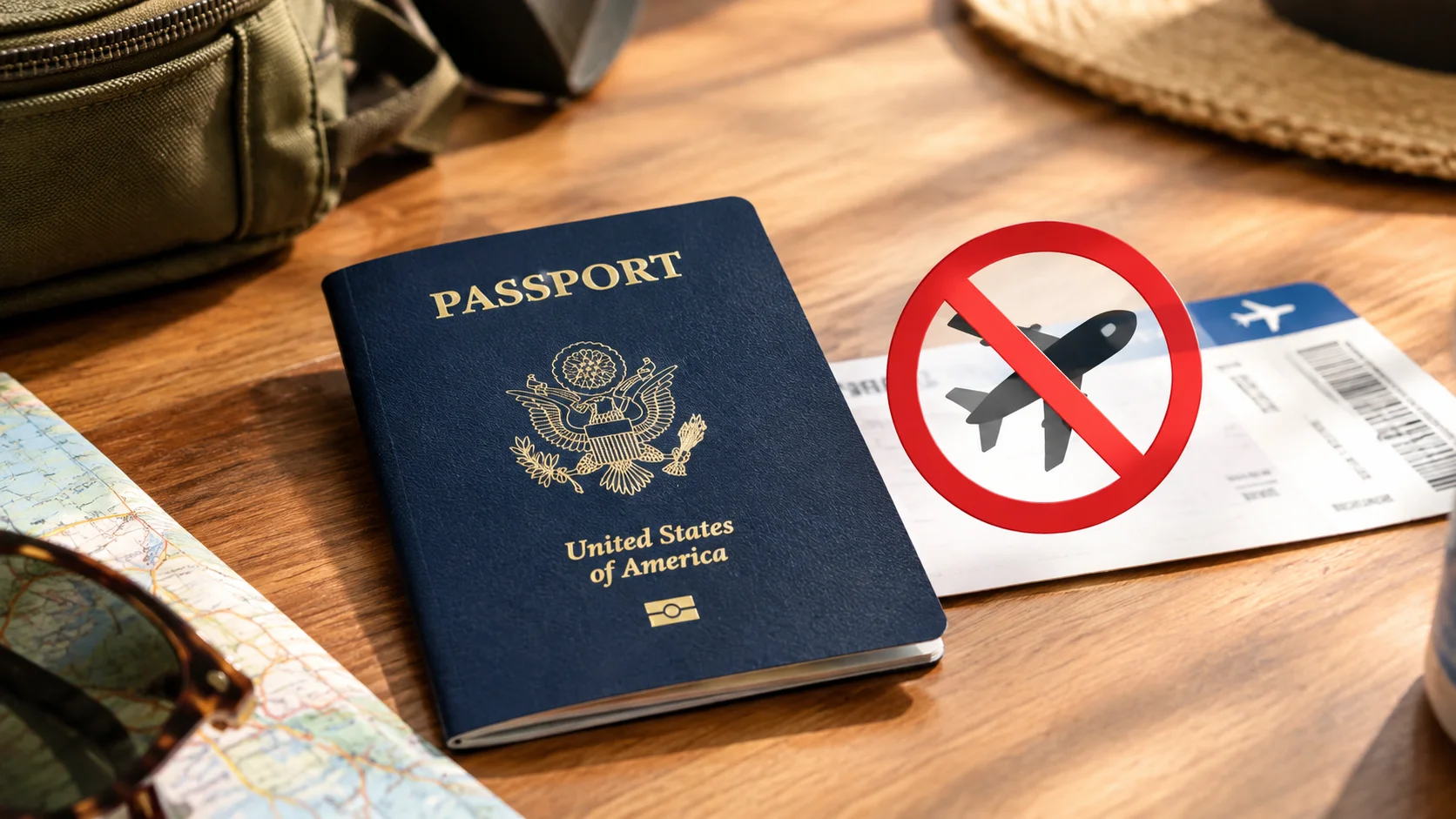
"Is this legal?" usually turns out to be three different questions wearing one trench coat.
Key takeaways
- Using your own photo in an AI app for personal, non-official use isn't illegal in the US — the real legal questions live in three narrower places: copyright ownership, official documents, and your right of publicity.
- The US Copyright Office has taken the position that a text prompt alone generally doesn't give a person enough creative control to be the legal "author" of an AI-generated image, though meaningful human editing or arrangement on top of AI output can still qualify for protection.
- The Office's own guidance compares prompting to instructing a commissioned artist: you can describe what you want, but the system — not you — decides the specific expressive details of the result.
- As of 2026, the US State Department explicitly rejects passport photos generated or edited with AI tools, software, or filters — a specific, stated rule, not just a general sharpness requirement.
- There is no federal right of publicity in the US. Protection against someone using your likeness without consent is a patchwork of state laws, and only a handful of states (notably California and Tennessee) have started updating those laws specifically for AI-generated likenesses.
- That leaves a real regulatory gap: in most states, the law hasn't caught up yet to the specific case of an AI system generating an image that closely resembles a real, identifiable person.
"Wait, is this even legal?" is one of the most common reactions to AI photo apps, and it's a reasonable one — except the question is actually three separate questions stacked on top of each other, each with a different, and sometimes surprising, answer. Whether you can legally use your own photo to generate an AI image, who owns that image afterward, whether you can use it for something official, and whether anyone else could legally do the same thing to your face without asking, are four distinct issues that only look like one.
The short answer for personal use
Using your own selfie in an AI photo app to generate a stylized image, purely for your own entertainment or to post on your own social media, isn't illegal in the US. There's no law against turning your own photo into an anime character, a period-drama lead, or a fantasy portrait for personal use. The genuinely open legal questions only show up in three narrower situations: when you want to claim ownership over the result, when you try to use it somewhere official, and when the face being generated isn't clearly your own.
Who actually owns an AI-generated photo of you?
This is the question with the most counterintuitive answer. The US Copyright Office has spent the last few years formally working through exactly this issue, and its position — most recently detailed in a 2025 report on copyrightability — is more restrictive than most people expect: copyright protection requires a human author, and simply typing a prompt generally isn't considered enough creative control over the final result to count.
The Office's own framing is genuinely useful for understanding why: it compares prompting an AI system to giving instructions to a commissioned artist. You can specify what you want depicted, but the system — not you — determines the specific details of how that instruction gets executed: composition, exact expression, lighting, style choices within the prompt's constraints. Because of that gap, the Office has taken the position that AI-generated output resulting from a prompt alone doesn't automatically belong to the person who wrote the prompt.
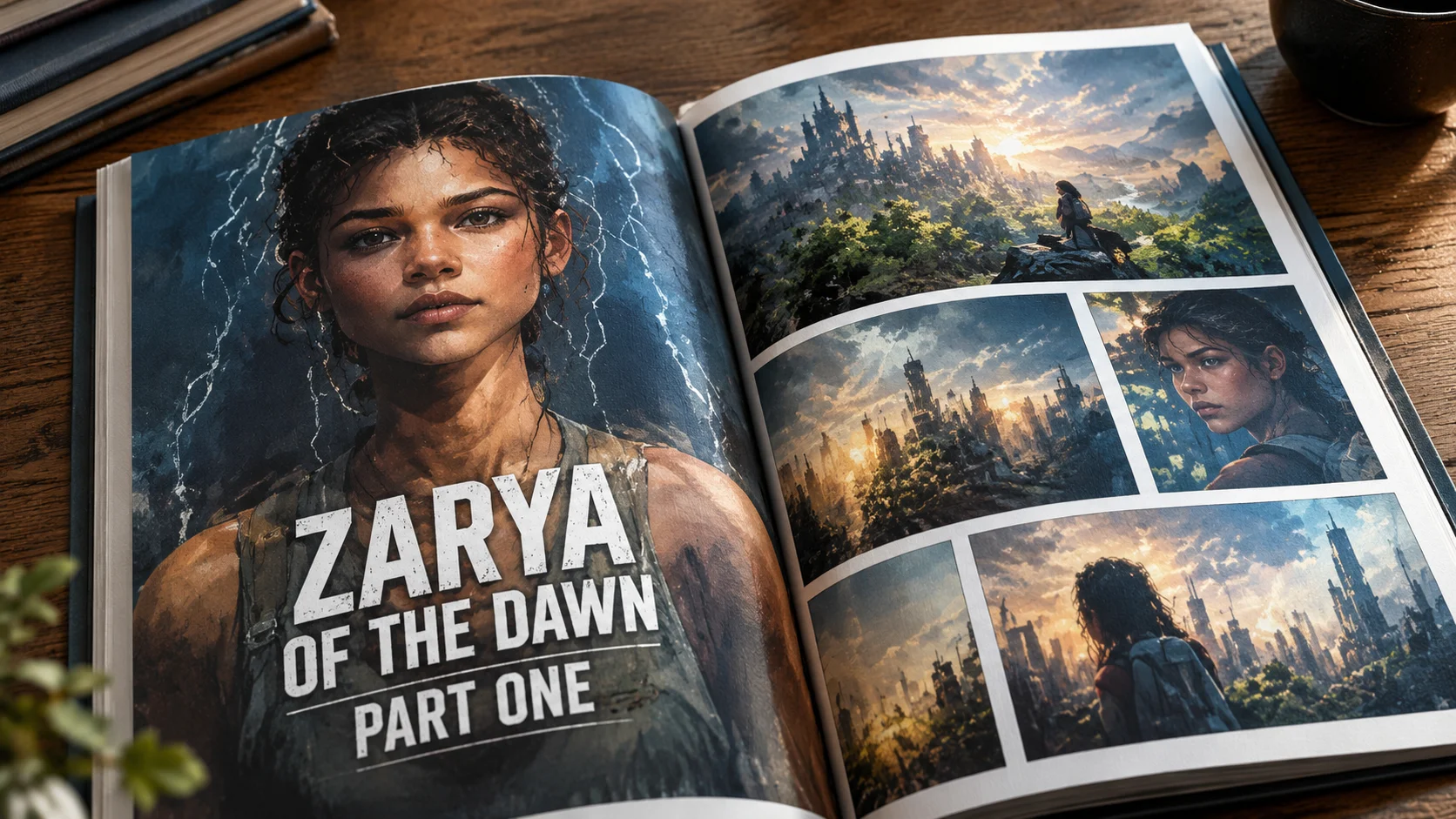
The case most often cited here involves a graphic novel called Zarya of the Dawn, where the author used Midjourney to generate individual images for the book. The Copyright Office's review concluded that the author hadn't sufficiently controlled the specific visual outcome of each AI-generated image — since it's not possible to predict exactly what a system like Midjourney will produce from a given prompt — so the individual images themselves didn't qualify for copyright protection on their own. The overall arrangement of the comic — the layout, the sequencing, the written text — remained protected, because that arrangement genuinely was the author's own creative decision-making.
There's an important exception worth knowing: if you meaningfully edit, arrange, or build on top of an AI-generated image in your own creative way, that added layer of human work can qualify for copyright, even if the underlying AI-generated element on its own wouldn't. The Office has drawn a comparison to a photographer editing an image in Photoshop — the edited result reflects real human creative choices layered on top of the base material.
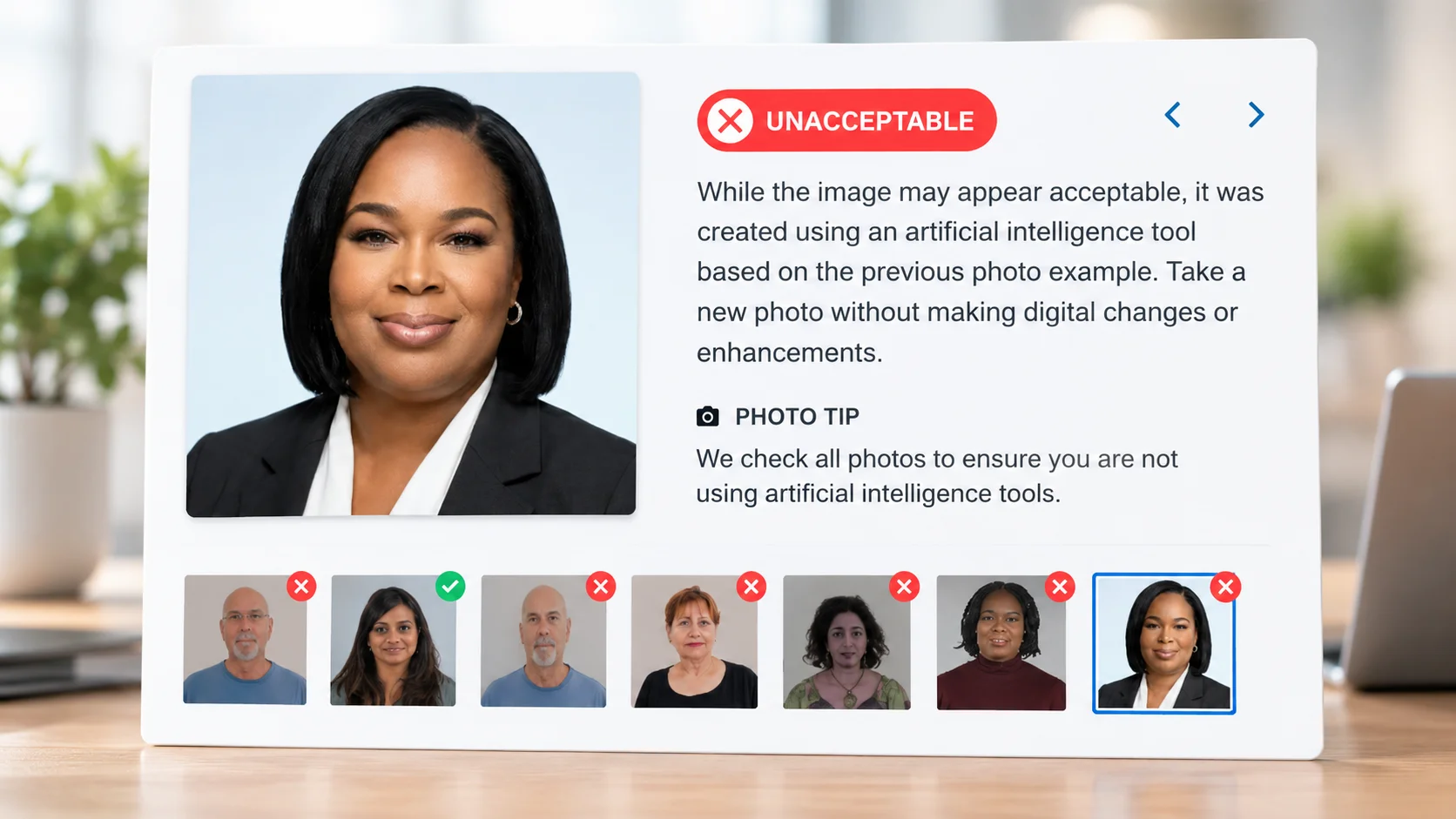
"We check all photos to ensure you are not using artificial intelligence tools." — US State Department passport photo guidance
Applicants who do want to register copyright for something involving AI-generated content are also required to disclose that fact and describe their own actual creative contribution — it isn't something you can simply omit and hope goes unnoticed.
What this means practically: if you generate a fun AI photo of yourself and post it online, nobody is likely to dispute your right to post it — you're using your own likeness, after all. The copyright question mainly matters if you want to claim exclusive commercial ownership over the image itself, license it, or stop someone else from reposting the exact same AI output. For that reason, apps including Movcl are generally positioned around personal entertainment and sharing rather than commercial licensing of the generated result — which sidesteps most of this ambiguity entirely for the average user.
Can you use an AI photo for official documents?
This one has a clean, unambiguous answer, and it's a fairly recent development worth knowing if you've ever considered using a touched-up photo for something official: no. As of 2026, the US State Department's passport photo requirements explicitly state that submitted photos must be original and unaltered, and specifically prohibit using computer software, phone apps, filters, or AI tools to change the photo. This isn't a vague "make sure it's clear enough" standard — it's a named, specific rejection category, with official example images showing what an AI-altered photo looks like so reviewers know what to flag.
The practical implication is straightforward: whatever an AI photo app is useful for, it is explicitly not a shortcut for passport, visa, or similarly regulated identification photos. Those still require an actual, unedited photograph taken specifically for that purpose.
What about your right to your own face?
This is the piece most people assume is simple and isn't. In the US, there is no federal right of publicity — no single national law governing whether someone can use your likeness without your permission. Instead, it's handled entirely at the state level, and the resulting patchwork varies significantly in how strong or specific the protections are.
A small number of states have begun actively updating their laws for the AI era. California passed legislation (AB 2602 and AB 1836) specifically addressing AI-generated digital replicas of a person's voice or likeness. Tennessee passed the ELVIS Act, aimed particularly at protecting individuals' voice and likeness from unauthorized AI replication. But these are still the exception rather than the rule — most states' existing right-of-publicity laws were written before generative AI existed and haven't yet been updated to clearly address the specific scenario of an AI system generating a likeness of a real, identifiable person.
That's a genuine regulatory gap, not just a technicality: it means the strength of your legal footing if someone generated an AI image resembling you without your consent depends heavily on which state you're in, and in most states, on how a court chooses to apply older law to a genuinely new kind of situation.
| Question | Where it stands (as of this writing) |
|---|---|
| Can I legally use my own photo in an AI app for personal use? | Yes — no general law against this |
| Do I own the copyright to the AI output? | Not automatically — depends on how much you personally shaped the specific result |
| Can I use an AI-edited photo for a US passport? | No — explicitly prohibited as of 2026 |
| Can someone else legally generate an AI likeness of me without asking? | Depends heavily on your state — most state laws haven't clearly addressed this yet |
A quick glossary
- Human authorship requirement
- The US Copyright Office's standing position that copyright can only protect works created through genuine human creative control, not works produced by a machine operating on its own.
- Right of publicity
- A legal concept, defined at the state level in the US, protecting a person's ability to control certain uses of their own identifiable likeness.
- Digital replica
- A term increasingly used in state legislation (such as California's) to describe an AI-generated recreation of a specific real person's voice or appearance.
Frequently asked questions
Is it illegal to use an AI photo app on a picture of myself?
No. Using your own photo to generate a stylized or edited image for personal, non-official use isn't illegal in the US. The legal complications live in narrower situations: official documents, commercial use, and copyright ownership of the result.
Do I own the copyright to an AI-generated photo of myself?
It depends on how much of the final result reflects your own creative choices versus the AI's. The US Copyright Office's position is that a prompt alone generally isn't enough control to make you the legal author of the output, though meaningful human editing or arrangement on top of it can be.
Can I use an AI-edited photo for my US passport?
No. As of 2026, the US State Department explicitly rejects passport photos generated or edited with AI tools, digital filters, or other software — not just photos that fail a general quality check.
Can someone else legally make an AI image of my face without asking me?
It depends heavily on your state, since the US has no federal right of publicity. A small number of states have begun updating their laws specifically for AI-generated likenesses, but most state laws haven't yet caught up to this exact scenario, leaving a real regulatory gap.