


What Would I Look Like in Old Money Style?
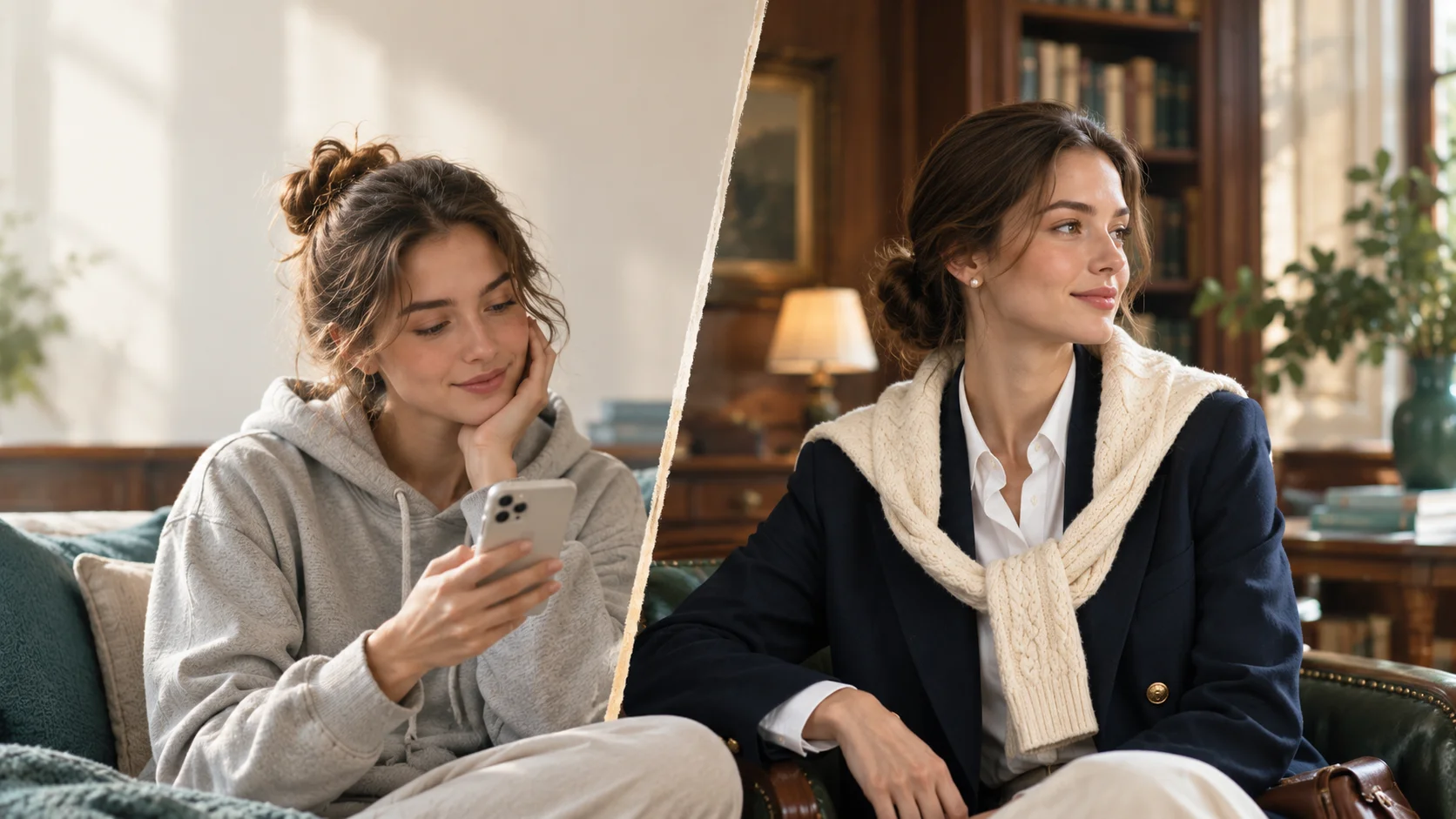
I wanted to know if quiet luxury actually suited me before spending real money on a cashmere sweater. So I tried it on my own photo first. Here’s what the style really is, five looks worth testing, and what an AI preview can and can’t tell you.
The six colors almost every old money outfit is built from. Keep this in mind for the rest of the post.
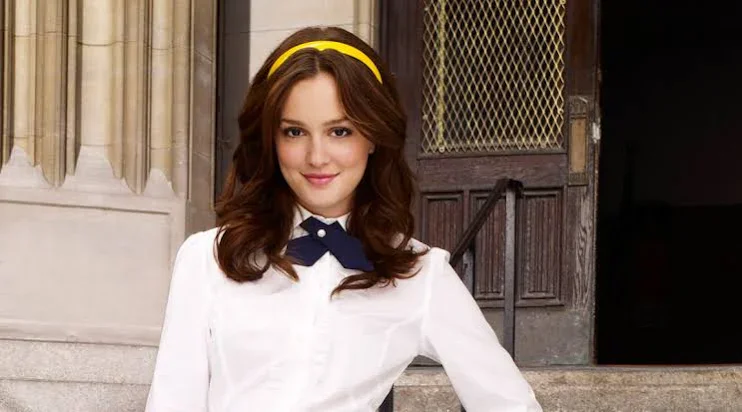
Every year, the second the weather turns cold, I end up back on the Upper East Side. Not literally, sadly. I mean Gossip Girl. I’ve been rewatching it again this fall, and I’ll admit I’m mostly there for Blair Waldorf’s wardrobe. Pearls, headbands, high-waisted skirts, perfectly cut coats, and that polished, private-school-meets-Fifth-Avenue confidence……I love it.
If Blair is old money with a bow on top, Succession is the grown-up, no-logo version. The Roy family made “quiet luxury” a household phrase. Shiv’s sharp neutral tailoring, Kendall’s plain caps and knitwear, and Roman’s easy suiting all look simple at first glance, and the fashion world has spent years picking them apart anyway. Nothing is loud, every fabric looks expensive, and you’d never spot a logo.
In real life, I also want to try this kind of outfit.
But, you know. I love all of these looks on other people. I had no idea whether they’d work on me, and this is not a cheap style to experiment with by just buying things and hoping. Would camel make me look elegant or like I had the flu? So before spending anything, I used AI to put a few of these outfits on my own photo and compared them side by side. Some looks worked immediately. One I was sure about turned out to be a mistake. Here’s everything I learned.
What “old money style” actually means
Old money style is a way of dressing that signals taste rather than spending. It borrows from East Coast prep, English countryside clothing, and European summer resort wear, and it has one guiding idea: your clothes should look like you’ve owned them for years, not like you bought them last week.
That’s why the style avoids logos, loud prints, and trend pieces. The interest comes from fabric, fit, and color instead. It overlaps a lot with the “quiet luxury” trend, but you don’t need luxury brands to pull it off. Plenty of people get the look almost entirely from thrift stores and a good tailor.
Here’s the quickest way to tell whether an outfit reads as old money or not:
| Element | Old money version | What breaks the look |
|---|---|---|
| Color | Navy, cream, camel, olive, charcoal, burgundy, white | Neon, bright pastels, busy graphic prints |
| Fabric | Wool, cashmere, linen, cotton oxford, tweed, leather | Shiny polyester, heavy distressing, obvious synthetics |
| Fit | Tailored and comfortable, never tight | Very oversized streetwear or skin-tight cuts |
| Branding | None, or very small and quiet | Large logos, all-over monograms |
| Accessories | Leather belt, simple watch, small studs or pearls, loafers | Chunky trend jewelry, statement sneakers |
| Grooming | Neat, natural, a little understated | Heavily styled, trend-driven hair and makeup |
Five old money looks worth trying on yourself
Old money isn’t one outfit. It’s a family of looks, and you may suit some of them much better than others. These are the five I tested, along with a rough guide to who each one tends to flatter. All of them work for any gender with small adjustments.
The country weekend
This is the softest, easiest entry point. It’s the look people mean when they say “old money” without thinking too hard about it.
The classic prep
If you’re only going to buy one old money piece, a navy blazer is the safest bet. It also dresses up or down more easily than anything else on this list.
Tennis club whites
The Riviera summer
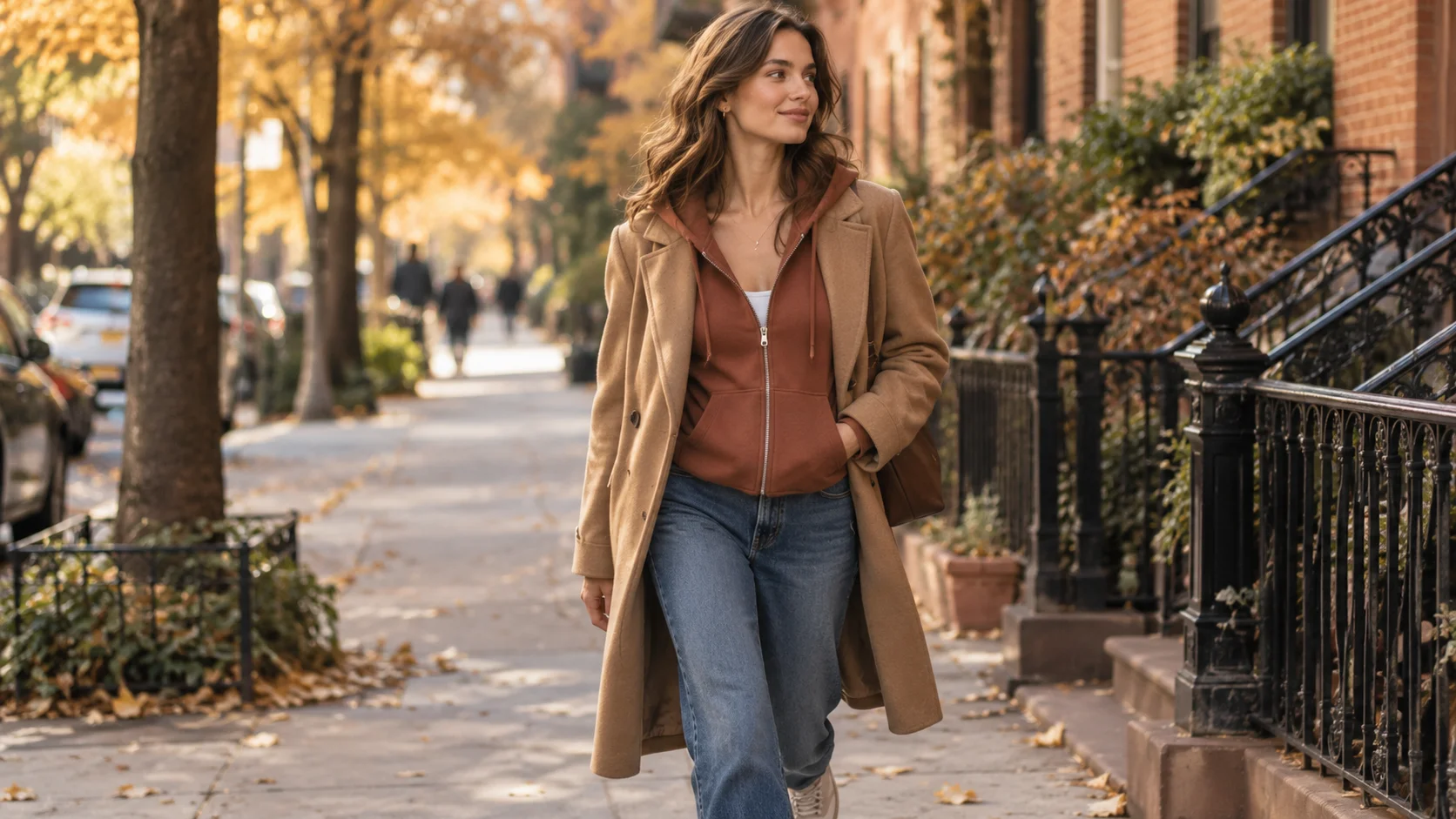
The winter city coat
This is the most expensive look to buy, which makes it the one most worth previewing first.
How I previewed the looks on my own photo
I used the outfit change feature in Movcl, which takes a single photo of you and applies a clothing template to it. If you’re curious about how this works under the hood, my colleague Marcus explains it in How AI Understands Clothing. Here’s the process I followed:
- Pick the right photo. Face the camera, stand in soft natural light, and make sure your shoulders and upper body are visible. Skip beauty filters and heavy makeup so the preview shows your real coloring.
- Choose outfits that match the looks above. Browse the outfit templates and pick ones in the old money palette: knits, blazers, linen, wool coats. Ignore anything with big logos or bright prints, even if it’s tagged as “luxury.”
- Generate each look from the same photo. Using one photo for every outfit is what makes the comparison fair. Different lighting between photos will skew how the colors look on you.
- Compare side by side and look at your face first. Before you judge the outfit, check your skin. Does it look brighter and more even, or tired and sallow? That reaction tells you more than whether the clothes look nice in general.
- Shortlist two looks and one color. You don’t need to commit to the whole aesthetic. Find the one or two looks and the color that clearly work, and start there.
What happened when I tried it
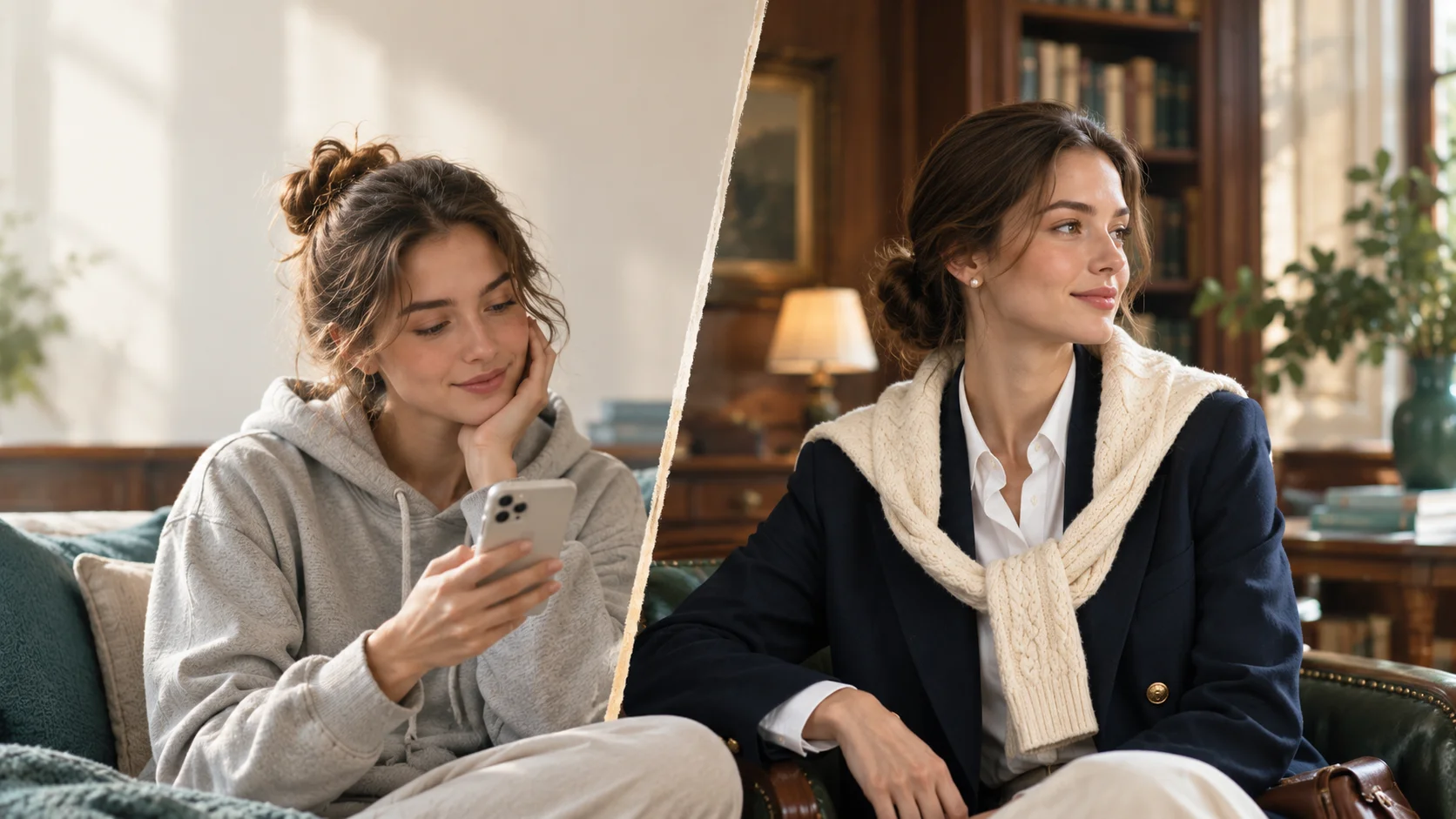
The classic prep look was the clear winner for me. The navy blazer made my face look sharper and more awake in a way none of the other outfits did, and it was the only look where I immediately thought, “Yes, I’d wear that tomorrow.”
The Riviera linen look was my surprise favorite. I’d written it off as something for people on yachts, but the relaxed sand-colored shirt looked effortless rather than costume-like.
The camel coat was the lesson. I’d been about to order one. In the preview, it drained the color right out of my face. When I tried a charcoal coat in the same style, the difference was obvious.
That one comparison saved me from the most expensive purchase on my list.
The cream cable knit landed somewhere in the middle. It wasn’t bad, but a grey version looked better on me, which lines up with what most color guides say about cool undertones.
What an AI preview can and can’t tell you
I want to be honest here, because outfit previews are useful, but they’re not a fitting room. Here’s how I’d think about them:
| Question | Can an AI preview answer it? |
|---|---|
| Does this color flatter my face? | Yes, mostly. This is where previews are most useful, as long as your photo has natural lighting. |
| Does this overall vibe suit me? | Yes, roughly. You’ll get a strong sense of whether a look feels like “you.” |
| Will this exact size fit me? | No. The AI generates clothing to fit your photo. It knows nothing about real sizing. |
| How will the fabric drape and feel? | No. Texture in a generated image is an approximation, not a real garment. |
| Is this a specific product I can buy? | No. The clothing in the preview is generated, so use it as a reference, not a shopping link. |
In short: use the preview to decide on colors and silhouettes, then go try the real thing on.
Building the look for real without the price tag
Once you know which looks and colors work, you can be much more targeted about shopping. A few things that helped me:
- Read fabric tags at thrift and vintage stores. Wool, cashmere, linen, and 100% cotton turn up secondhand all the time, often for a fraction of the retail price.
- Budget for tailoring. A cheap blazer that’s been taken in at the waist and sleeves often looks better than an expensive one that doesn’t fit. Fit is a huge part of why the style reads as polished.
- Start with three pieces. One top layer, one shirt or knit, and one pair of trousers in the colors that worked in your preview. That alone gives you several outfits.
- Skip anything with a visible logo. It’s the single fastest way to break the look.
A quick note on privacy. Movcl doesn’t use your photos to train AI models. And only upload photos of yourself, or of people who’ve said it’s okay. If you want the details, read Does This App Train on Your Photos?
Frequently asked questions
Is old money style the same as quiet luxury?
They overlap heavily. Quiet luxury usually describes expensive, logo-free clothing, while old money style is a broader aesthetic built on classic prep, country, and seaside dressing. You can do old money style without luxury price tags.
Do I need expensive brands to dress old money?
No. The look depends on natural fabrics, a muted palette, and good fit far more than on labels. Thrifted wool and cashmere plus basic tailoring get you most of the way.
Can men and women both wear old money style?
Yes. Navy blazers, cable knits, oxford shirts, linen, and camel or charcoal coats work across genders. The core rules about color, fabric, and fit are the same.
Can AI show exactly how clothes will fit me?
No. An AI outfit preview is good for judging color against your face and the overall vibe of a look. It can’t show real sizing, how a garment drapes on your exact body, or fabric quality.
Is it free to try old money outfits on myself in Movcl?
Movcl offers a free trial to start. After that, generations use gems or a subscription. Your photos are not used to train AI models.
See yourself in old money style
Upload one photo, try a navy blazer, a cable knit, and a camel coat side by side, and find out which one is really you before you buy anything. Start with a free trial.
Try outfit change in Movcl