


AI Short Dramas in 2026: Hot Titles, Creation Tools, Monetization Paths — and a Simple Way to Just Try It
The feeds are full of genies, dragon kings, and secret CEOs. Here’s what’s actually popular, how serious creators build and monetize them, and why most people only need a much lighter tool.
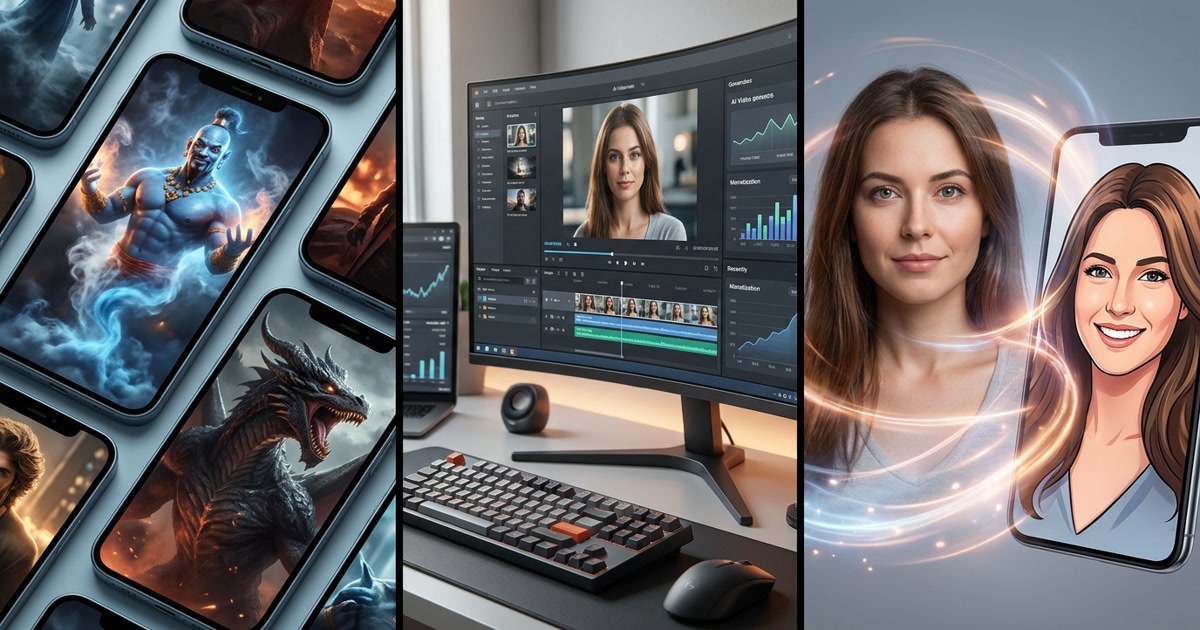
One side of the category is a full production-and-monetization business. The other is a two-minute experiment with a single photo.
Key takeaways
- AI-generated and AI-assisted short dramas now account for a large share of new vertical releases on major platforms. Standout recent performers include ReelShort’s The Great and Powerful Genie and DramaBox titles such as Deny Me, Dragon King and Married to the Hidden Dragon King.
- Serious creators typically combine general video models (or dedicated drama engines), character-consistency tools, editing software, and distribution platforms. The stack is powerful but non-trivial.
- Main monetization routes in 2026 include licensing to micro-drama apps, open-platform revenue share (TikTok Creator Rewards, YouTube Shorts), production-for-hire or brand episodes, contests/advances, and affiliate promotion.
- Most ordinary users do not need that full stack. If the goal is simply to see yourself in a dramatic role or make a short stylized clip, a specialized photo-to-video tool is usually sufficient.
- Movcl’s AI Video feature is designed for that lighter path: one photo, a template, and a short identity-preserving result in roughly a minute — no script pipeline or monetization setup required.
- Watching the dramas, building a series business, and casually experimenting are three different activities. Choosing the right tool starts with knowing which one you are actually doing.
By late 2026 the vertical short-drama category has become one of the most visible applications of generative video. Episodes run one to two minutes. Stories lean into high-stakes power dynamics, hidden identities, and sudden elevation. And a growing percentage of new titles are fully or heavily AI-generated.
Industry tracking from the third quarter of 2026 reported that roughly two-thirds of vertical drama releases outside China on major platforms were AI-generated. The top performers were not understated. They featured genies bound by wishes, dragon kings with complicated destinies, and the familiar roster of powerful executives and secret heirs that have defined the genre for years.
What’s hot in the feeds right now
A few titles keep appearing in performance summaries and feed discussions:
- The Great and Powerful Genie (ReelShort) — one of the strongest AI-generated performers reported in recent data, built around a classic wish-and-marriage premise.
- Deny Me, Dragon King and Married to the Hidden Dragon King (DramaBox) — fantasy titles that pair ancient power with personal entanglement and continue to draw strong viewing hours.
- The broader CEO / hidden-identity / fake-marriage lane — still highly reliable even when the supernatural element is dialed down.
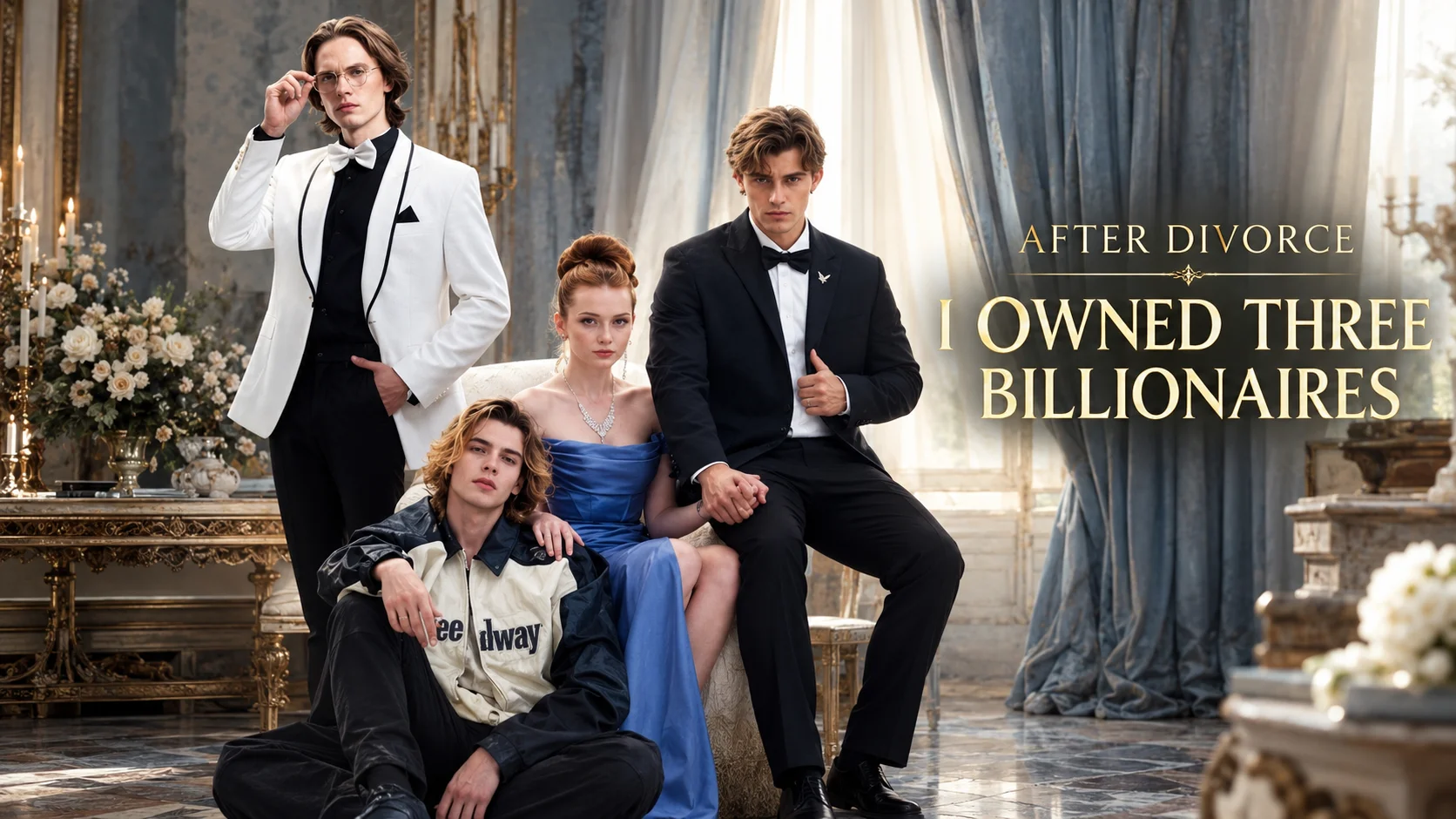
For a closer look at why so many of these leads start to feel visually familiar, see our earlier piece: Why Do AI Short-Drama Leads All Look Kind of Familiar?
The tools serious creators actually use
Producing a multi-episode AI short drama is a different job from generating a single short clip. Creators who treat it as a production pipeline typically assemble a stack that covers several stages:
- Script and structure — LLMs or specialized drama writers to turn a premise into episode outlines with cliffhangers.
- Character consistency — tools or workflows that lock a face, wardrobe, and voice across dozens of scenes.
- Video generation — general models (Kling, Runway, Luma, Google’s video tools, and others) or dedicated short-drama engines that output vertical clips.
- Voice and dialogue — text-to-speech or lip-synced dialogue systems.
- Editing and packaging — CapCut, Descript, or similar tools for stitching, captions, pacing, and export.
Some platforms now offer more integrated “drama studio” experiences that combine several of these steps. Others remain point solutions that creators chain together. Either way, the barrier is higher than opening a consumer photo app and tapping “generate.”
How people monetize AI short dramas in 2026
Once a series exists, several revenue paths are commonly used:
1. Licensing to micro-drama apps
Platforms such as DramaBox, ReelShort, and similar apps operate primarily on coin or subscription unlock models. Creators (or their distributors) pitch finished series; deals may involve advances, revenue shares, or a combination. This route reaches viewers who already pay for vertical drama.
2. Open-platform revenue share
TikTok Creator Rewards and YouTube Shorts ad-share programs remain accessible entry points, though both have eligibility thresholds (follower counts, view totals, minimum video length). Realistic AI content generally needs to be labeled according to platform rules.
3. Production-for-hire and brand episodes
Some creators sell production capacity itself — delivering commissioned episodes or brand-funded stories rather than (or in addition to) owning the IP.
4. Contests, advances, and hybrid deals
Occasional contests and platform programs offer cash prizes or production funding, sometimes with the possibility of longer-term licensing terms for selected projects.
5. Affiliate and traffic monetization
Creators with existing audiences sometimes promote other titles or related products rather than (or alongside) monetizing their own series directly.
None of these paths is automatic. They require distribution strategy, rights clarity, consistent output, and usually some tolerance for iteration. They are real businesses for people who treat them as such.

Building a monetizable short-drama series and making a single fun clip of yourself are both valid uses of generative video. They just require completely different levels of infrastructure.
Most people are not running a studio
The majority of people who encounter AI short dramas are not trying to license a 40-episode season or hit Creator Rewards thresholds. They are watching on their phones and occasionally wondering what they themselves would look like in one of those roles — the powerful lead, the person the camera treats as the center of the story.
For that impulse, a full production stack is overkill. What is needed is a tool that:
- Accepts an ordinary personal photo.
- Preserves face and identity reasonably well.
- Offers stylized or dramatic motion templates.
- Returns a short result quickly, without requiring prompt engineering or multi-step pipelines.
That is the category specialized consumer photo-to-video apps occupy.
A lighter path: just try it with Movcl
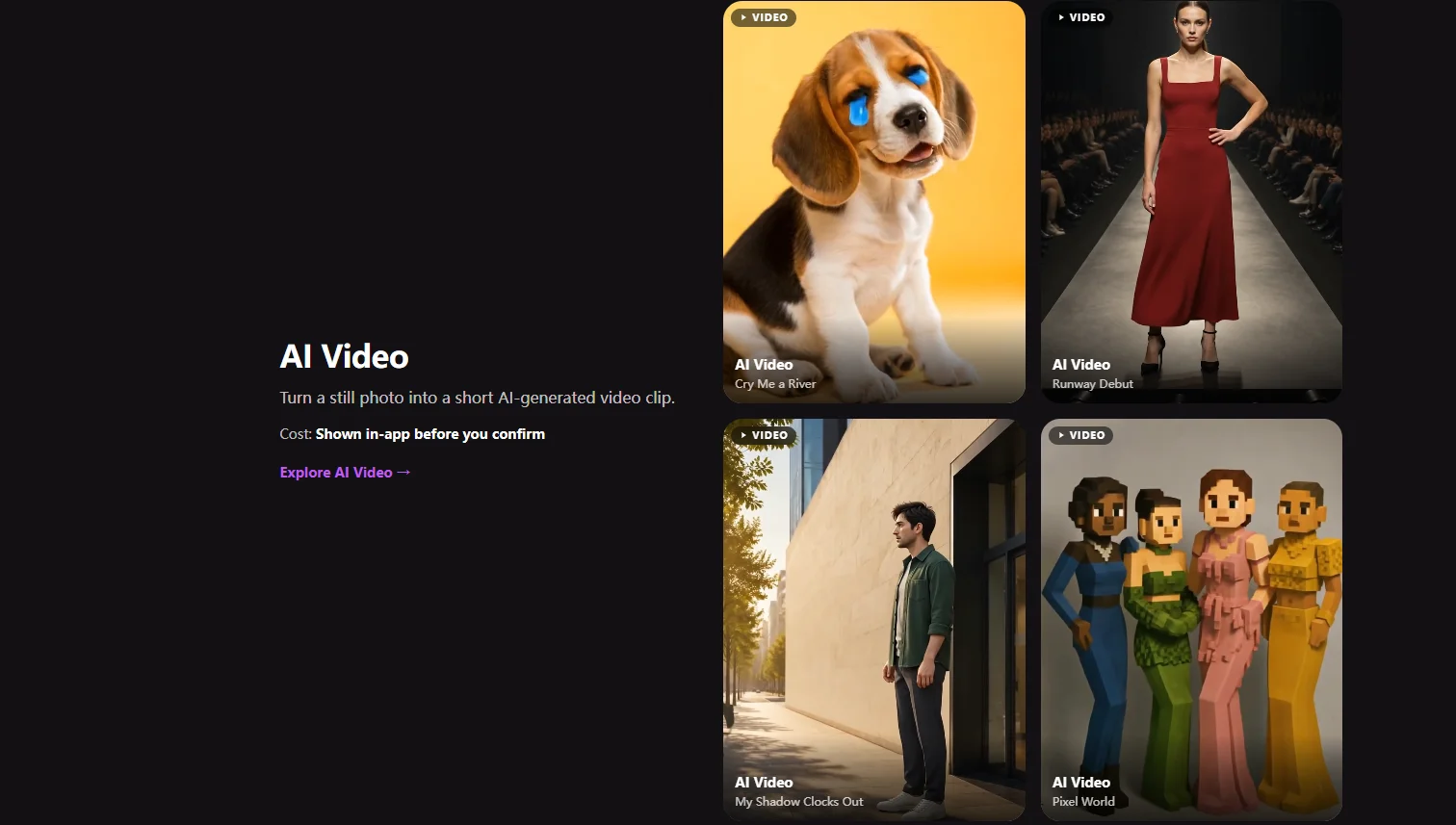
Movcl’s AI Video feature is built for this lighter use case. Upload one clear photo, choose a template or style, and receive a short animated clip that keeps your face recognizable. Generation times are typically around a minute. There is no script stage, no character-locking pipeline across dozens of episodes, and no monetization setup.
It will not replace a dedicated short-drama production workflow. It is not trying to. It is a simple way for ordinary users to play with the same aesthetic that is currently dominating vertical feeds — to see themselves, briefly, in a dramatic role without turning the experiment into a project.
If you later decide you want to build actual series and pursue monetization, the professional tools and distribution routes exist. Starting with a lightweight personal experiment is still a reasonable first step for most people.
Choosing the right level of tool
| Your actual goal | Appropriate tool level |
|---|---|
| Watch trending AI short dramas | ReelShort, DramaBox, TikTok short-drama feeds, etc. |
| Build and monetize multi-episode series | Full creation stack + distribution strategy |
| See yourself in a dramatic or stylized role for fun | Specialized photo-to-video app (e.g. Movcl) |
| Open-ended cinematic experiments | General video models with prompting skill |
Matching the tool to the goal avoids both underpowered results and unnecessary complexity.
A quick glossary
- AI short drama / microdrama
- Vertical, serialized episodes typically 1–2 minutes long, often with high emotional stakes and cliffhangers. Increasingly AI-generated or AI-assisted.
- Creation stack
- The combination of tools used to move from premise to finished episodes: scripting, character consistency, video generation, voice, and editing.
- Micro-drama app licensing
- Deals in which a finished series is placed on platforms that monetize through coins or subscriptions and share revenue (or pay advances) to rights holders.
- Photo-to-video (consumer)
- Tools that turn a single personal photo into a short animated clip while prioritizing face consistency and simplicity over full series production.
Frequently asked questions
What AI short dramas are popular in the US right now?
Recent performance data highlights titles such as ReelShort’s The Great and Powerful Genie and DramaBox fantasy series including Deny Me, Dragon King and Married to the Hidden Dragon King. CEO, hidden-identity, and marriage-of-convenience stories also remain strong across both AI-generated and live-action vertical dramas.
How do people monetize AI short dramas in 2026?
Common paths include licensing finished series to micro-drama apps, open-platform revenue share on TikTok and YouTube Shorts, production-for-hire or brand episodes, contests and advances, and affiliate promotion. Dedicated apps often use coin or subscription unlock models; social platforms rely on creator funds and ad-share programs with eligibility thresholds.
Do I need professional tools if I only want to experiment?
No. Full short-drama production stacks are designed for series creators. If you simply want to see yourself in a dramatic role or try a short stylized clip, a specialized photo-to-video app that prioritizes face consistency and simple templates is usually enough.
Where does Movcl fit in this landscape?
Movcl is not a full short-drama production studio. Its AI Video feature is built for ordinary users who want to turn one photo into a short, identity-preserving clip quickly — a lightweight way to play with the same aesthetic without managing scripts, multi-episode pipelines, or monetization infrastructure.