


The AI Short Dramas Everyone’s Watching in 2026 — and How to Star in One Yourself
Dragon kings, powerful genies, secret CEOs. The feeds are full of them. Here’s what’s actually popular right now — and how a single photo can put you in the lead.
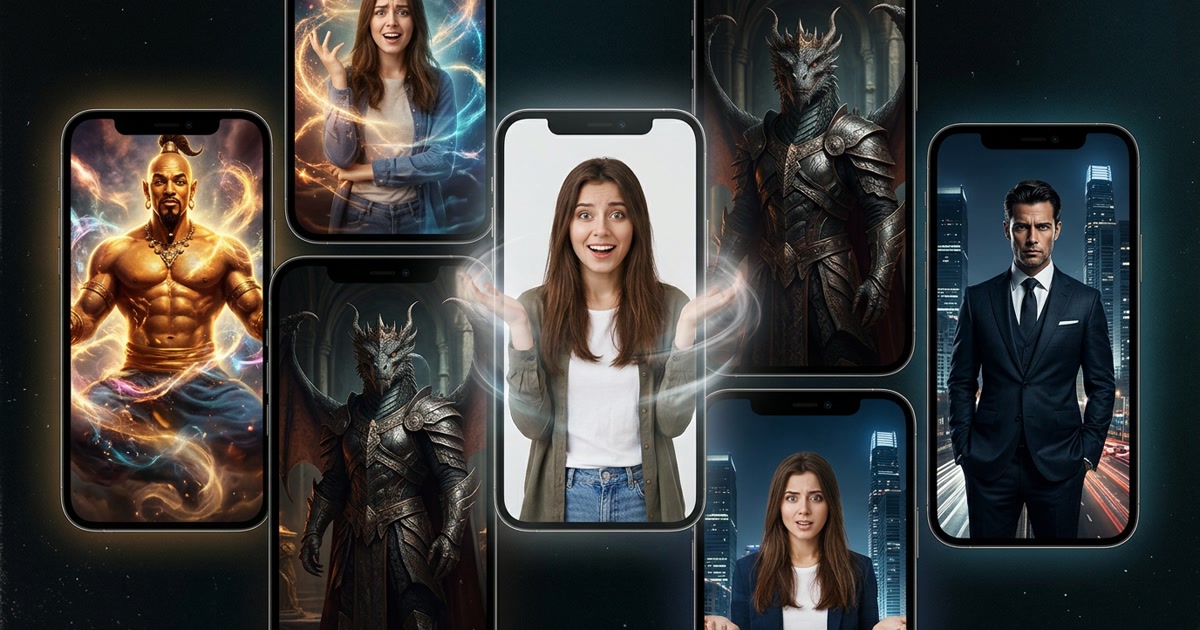
The same tropes that dominate AI short-drama feeds are now easy to step into yourself with a single photo.
Key takeaways
- By late 2026, AI-generated and AI-assisted short dramas make up a large share of new vertical releases. Standout current examples include ReelShort’s The Great and Powerful Genie and DramaBox fantasy series such as Deny Me, Dragon King and Married to the Hidden Dragon King.
- The appeal is simple: short episodes, high emotional stakes, and characters who hold absolute power — or suddenly discover they do.
- You do not need a studio or acting experience to try the aesthetic yourself. Specialized photo-to-video tools can turn one clear photo into a short clip that places you in a similar dramatic role while keeping your face recognizable.
- Movcl’s AI Video feature is built exactly for this kind of personal, identity-preserving transformation — upload a photo, choose a style, and get a short result in roughly a minute.
- Watching the dramas and starring in your own version are complementary. One is entertainment; the other is a quick, low-friction way to play with the same fantasy.
Open any major short-drama app or TikTok’s vertical-drama section in late 2026 and the pattern is hard to miss. Episodes run one to two minutes. Titles lean hard into fantasy power, hidden identity, forced proximity, and sudden elevation. And a growing share of the new releases are fully or heavily AI-generated.
Industry tracking from the third quarter of 2026 found that roughly two-thirds of vertical drama releases outside China on major platforms were AI-generated. The top performers were not subtle. They featured genies bound by wishes, dragon kings with complicated marriage arrangements, and the familiar roster of powerful executives and secret billionaires that have defined the category for years.
What’s actually trending right now
A few titles keep surfacing in performance data and feed discussions:
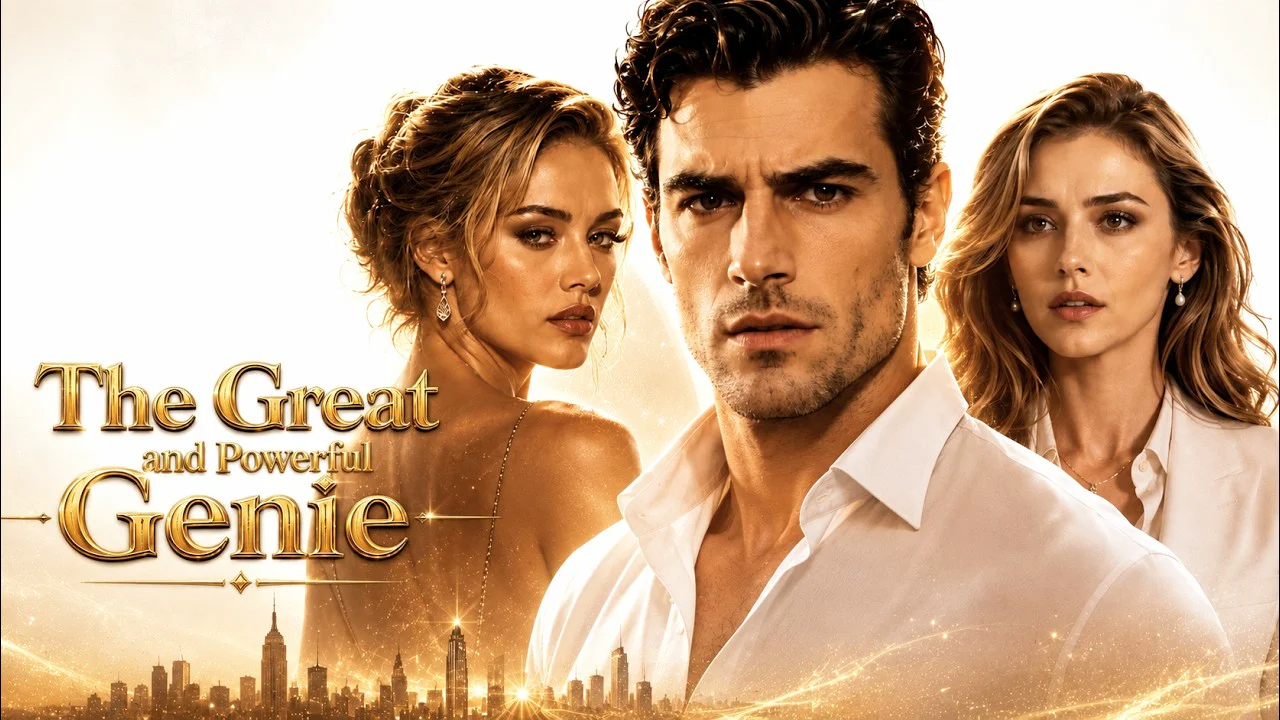
The Great and Powerful Genie (ReelShort)
One of the strongest AI-generated performers reported in recent platform data. The premise is classic wish-fulfillment: a genie bound by a wish into a multi-year marriage arrangement. High visual polish, clear emotional stakes, and the kind of larger-than-life lead that translates well to vertical screens.
Deny Me, Dragon King & Married to the Hidden Dragon King (DramaBox)
Fantasy titles built around dragon-king mythology have been consistent traffic drivers. The combination of ancient power, modern (or semi-modern) settings, and marriage or destiny plots continues to resonate. These series sit squarely in the “impossible power + personal entanglement” lane that defines much of the category’s appeal.
The broader CEO / hidden-identity lane
Even when the supernatural element is dialed down, the structural pattern remains: someone appears ordinary, turns out to hold overwhelming status or power, and the relationship dynamics rearrange overnight. Variations on fake marriage, secret heir, and “the person you underestimated was the one in charge” remain reliable performers across both AI-generated and live-action vertical dramas.
If you want a deeper look at why so many of these leads start to feel visually familiar after a while, we explored the technical side in an earlier piece: Why Do AI Short-Drama Leads All Look Kind of Familiar?
Why these stories travel so well
The format rewards clarity and intensity. A 60- to 90-second episode has little room for slow setup. The most successful titles put the power imbalance or the hidden identity on screen almost immediately, then cut on a cliffhanger. Viewers can watch one episode in a spare moment and still feel the pull of “what happens next.”
The character types are equally efficient. A dragon king, a genie bound by rules, or a CEO whose public face is only half the story — each of these roles carries instant status. The fantasy is not subtle, and that is part of the point.

The same traits that make these dramas bingeable also make them fun to step into for a moment: absolute power, sudden elevation, and a face the camera treats as the center of the world.
Who wouldn’t want to try the role?
After enough episodes, a natural question appears: what would I look like in one of these parts?
Not as a full multi-episode series. Just a short, self-contained clip — the kind of stylized, high-stakes portrait the dramas themselves open on. Powerful executive energy. Fantasy sovereign. The person who walks into a room and rearranges the hierarchy without raising their voice.
A few years ago that question stayed hypothetical. Producing even a short dramatic clip required either real production resources or a willingness to wrestle with general-purpose video models and heavy prompting. In 2026 the barrier is much lower for the personal version of the fantasy.
Turning a photo into your own short-drama moment
Specialized photo-to-video tools are built for exactly this kind of use case. You start with one clear photo of yourself. You choose a style or motion template that matches the energy you want — sharp corporate power, fantasy regality, cinematic intensity. The system generates a short clip that keeps your face recognizable while placing you in the new context.
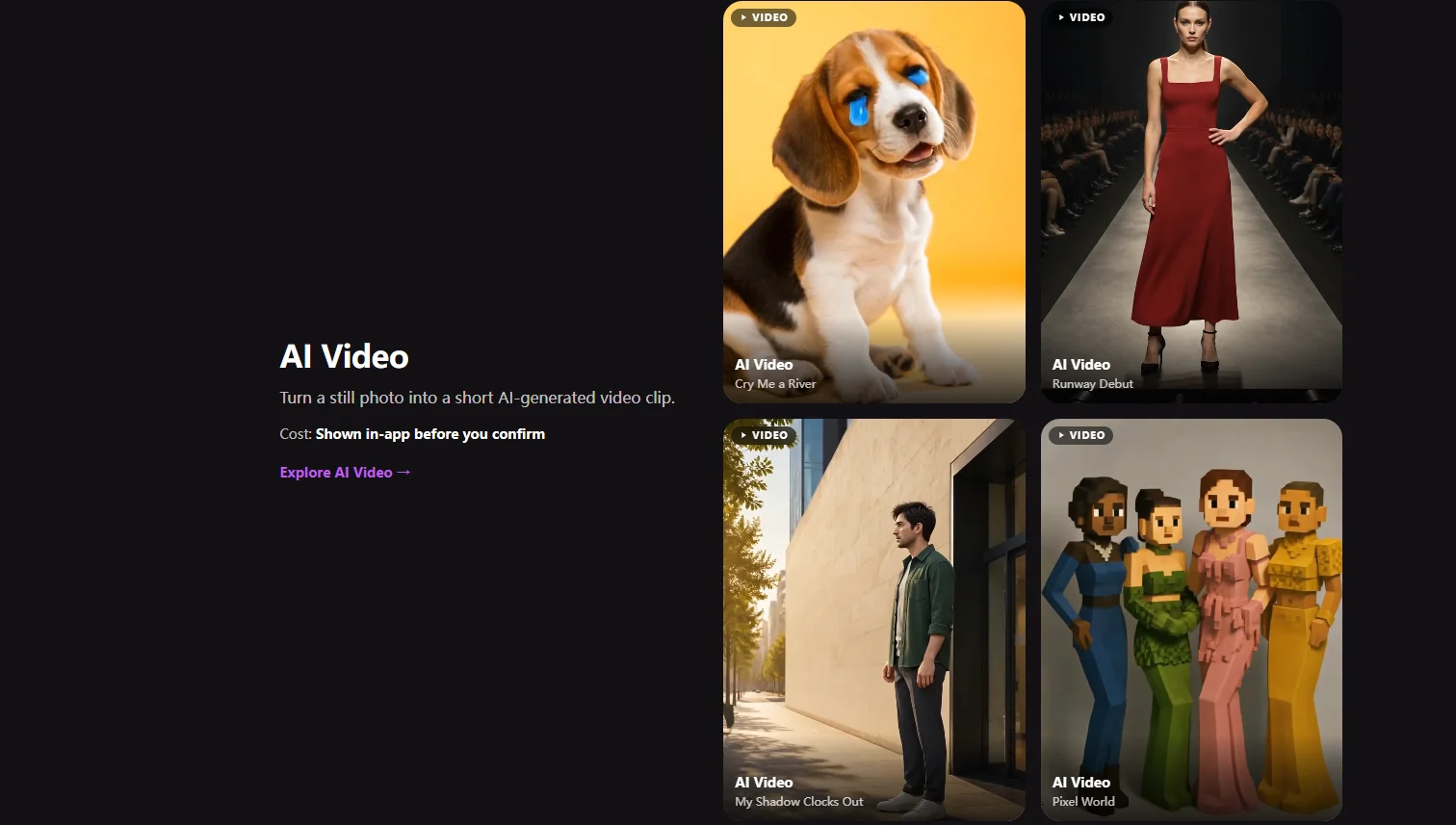
Movcl’s AI Video feature is designed around this flow: upload a photo, pick a template, and receive a short animated result in roughly a minute. The emphasis is on identity preservation and simplicity rather than open-ended cinematic control. That trade-off is intentional. When the goal is “this still looks like me, but in the role,” consistency matters more than maximum prompt flexibility.
You are not producing a 40-episode series. You are making a personal, shareable version of the same fantasy the feeds are already serving — a short clip that lets you see yourself as the lead for a moment.
A practical way to start
- Pick a clear, well-lit photo where your face is easy to read.
- Decide on the energy you want: corporate power, fantasy authority, sharp cinematic presence, or something softer and more romantic.
- Use a specialized photo-to-video tool that prioritizes face consistency.
- Generate, review, and keep or iterate. Most results arrive in about a minute.
The output is not a replacement for the full serialized dramas. It is a complementary experience: the same emotional register, scaled down to a single personal clip you can make from the photos already on your phone.
Watching vs. starring
The AI short-drama boom of 2026 is primarily an entertainment phenomenon — vertical, serialized, optimized for phone screens and short attention windows. The personal photo-to-video layer sits alongside it. One is about following a story. The other is about briefly occupying a role that the stories have made familiar and appealing.
Both can coexist. Many people will keep watching the genies and dragon kings. Some will also want to see how they themselves look when the camera treats them as the one holding the power. The tools for the second impulse are now simple enough that the only real requirement is a clear photo and a few minutes.
A quick glossary
- AI short drama / microdrama
- Vertical, serialized video episodes, typically 1–2 minutes each, often with high emotional stakes and cliffhanger endings. Increasingly AI-generated or AI-assisted in 2026.
- Photo-to-video
- Tools that take a still image (usually of a person) and generate a short animated clip while attempting to preserve identity and appearance.
- Identity preservation
- How consistently a generated video keeps the same person’s face and overall look across frames.
- Template-driven generation
- An interface that offers pre-defined styles or motions rather than requiring a full natural-language prompt for every generation.
Frequently asked questions
Can I put myself into an AI short-drama style video?
Yes. Specialized photo-to-video tools let you upload a single clear photo and generate a short clip that places you in a dramatic role — powerful executive, fantasy figure, or stylized lead — while keeping your face recognizable.
Do I need acting experience or a full production setup?
No. Consumer photo-to-video apps are designed for ordinary phone photos. You choose a template or style, upload one image, and receive a short animated result in roughly a minute.
Is this the same as the full AI short dramas on TikTok or ReelShort?
Not exactly. Platform short dramas are multi-episode serialized stories, often fully AI-generated or AI-assisted. Personal photo-to-video tools create short standalone clips of you in a similar aesthetic or role, not an entire series.